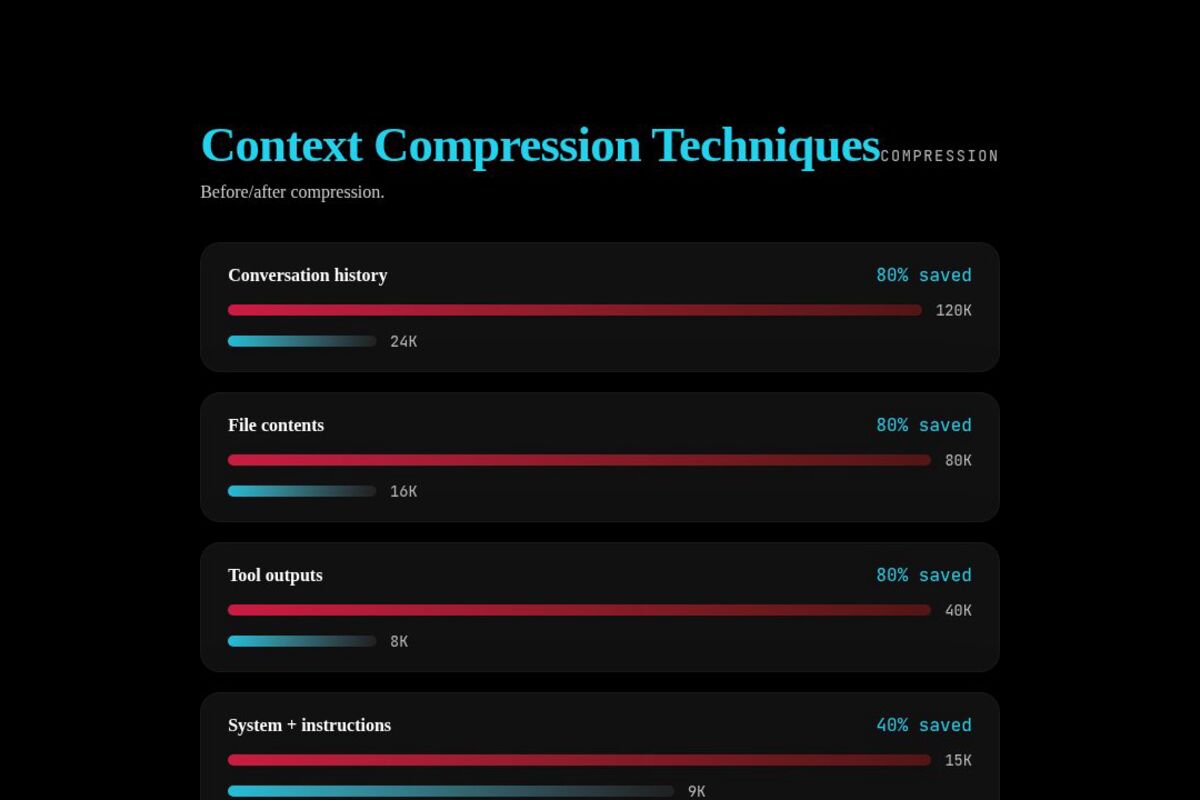
The library ships two brands. One is espresso and gold, built for editorial explainers. The other is black and cyan, built for dark product surfaces.
Neither is a theme layered over the other. Each is a set of token files that compile into a built stylesheet, where every brand lives in its own [data-brand] block.
Roles, not colours
A scene asks for --accent or --segment-3. The active brand decides what that means. No component file contains a hex value, which is why fifty-three components can share one visual language instead of fifty-three opinions.
Switching costs one attribute
Setting data-brand on the document swaps the variables. The viewer stores the choice, but query parameters can override it without persisting, which is how a scene page can show the mono version as a preview.
Why buyers care
If your product has a dark theme, you do not re-render anything. You change a token file. If a client wants their own accent, you change one value and every scene follows.
Rendered previews are free to watch. The components and the token pipeline are the paid product.